

Let’s face it, water is precious. It’s as essential as your morning coffee (or tea, we don’t judge). Yet, it seems like every month, your water bill arrives like an uninvited guest, ready to wreck your budget.
This is where water saving devices come to the rescue. Imagine slashing that bill while also helping Mother Earth. These devices are not just fancy gadgets: they’re superheroes in disguise. In this guide, we’re diving into why water conservation is crucial, exploring the best water-saving devices available, and how to choose the right ones for your home. Who knows? Your future self might just thank you for it, preferably while sipping water from a glass that didn’t cost an arm and a leg.
Why Water Conservation Is Important
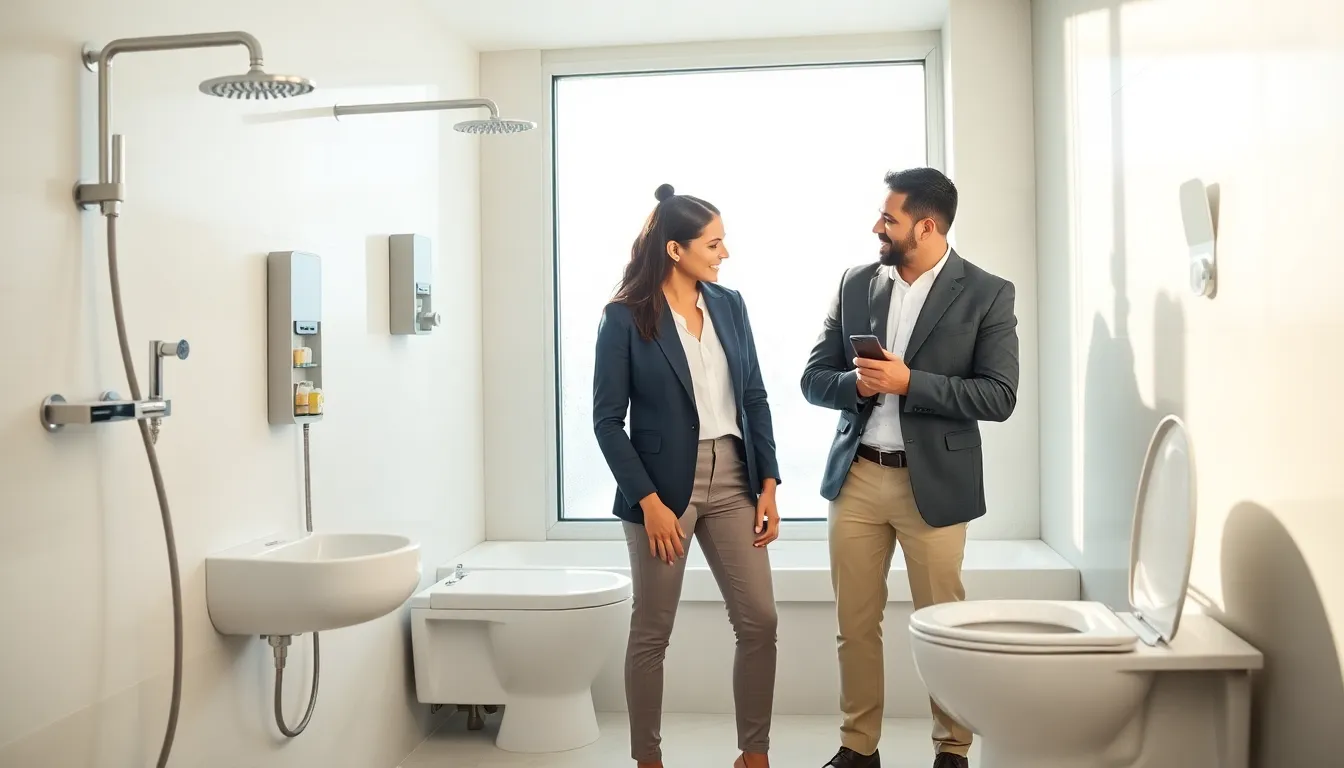
Water is the lifeblood of our planet, essential for everything from drinking to agriculture and industry. But here’s a sobering thought: according to the United Nations, water scarcity affects more than 2 billion people globally. This isn’t just a statistic: it’s a call to action.
Conserving water helps preserve our ecosystems, reduces the need for costly infrastructure to deliver more water, and can even ease the burden on our wallets. Also, with the climate crisis becoming quite the headliner, saving water is more crucial than ever. Every drop counts, and by implementing water-saving practices and devices, individuals can make a significant impact.
Benefits of Using Water Saving Devices
Investing in water saving devices is akin to putting money in a piggy bank that’s perpetually around. Here’s why:
- Lower Water Bills: Your monthly expenses will shrink, leaving room for that vacation you’ve always wanted.
- Environmental Impact: Less water usage means less strain on local resources, contributing to a healthier ecosystem.
- Increased Home Value: Homes equipped with efficient fixtures and appliances are more appealing to potential buyers.
- Regulatory Compliance: Some areas carry out laws about water usage. By being proactive, you can avoid fines and penalties.
- User-Friendly: Many water-saving devices are designed for easy use, so no need to worry about complex instructions.
Types of Water Saving Devices
Here’s a closer look at some of the most effective water-saving devices that could transform your home:
1. Low-Flow Faucets and Showerheads
Low-flow faucets and showerheads limit the amount of water flow without compromising pressure. While providing a satisfying shower experience, they cut water usage by up to 60%.
2. Dual-Flush Toilets
These toilets offer two flush options: one for liquid waste and another for solid. This simple design trick enables households to conserve water while still keeping things clean and functioning.
3. Rainwater Harvesting Systems
Why let precious rainwater go to waste? Rainwater harvesting systems collect and store rain for later use, particularly beneficial for gardens and outdoor irrigation.
4. Smart Irrigation Systems
These high-tech systems adjust watering schedules based on weather conditions, ensuring that lawns and gardens get the right amount of moisture without wasting a single drop.
5. Water-Efficient Appliances
Appliances like dishwashers and washing machines are now designed to use less water while maintaining performance, making them an eco-friendly upgrade for any home.
How to Choose the Right Water Saving Devices
Choosing the right water-saving devices can feel overwhelming, but it doesn’t have to be:
- Assess Your Needs: Evaluate your current water usage. Identify areas where you can save the most.
- Research Efficiency: Look for certified water-efficient devices, typically marked with a WaterSense label or similar certification.
- Consider Installation: Some devices require professional installation, while others are DIY-friendly. Choose what works best for your skill level.
- Read Reviews: Customer feedback can provide insights about durability and performance.
- Check Compatibility: Ensure that the devices fit within your existing plumbing systems.
Installation and Maintenance Tips
Once you’ve chosen your water-saving devices, it’s time to get them installed and maintain their efficiency:
- Professional Help: For complex systems like rainwater harvesting, consider hiring a certified plumber.
- DIY Installations: For simpler devices like low-flow faucets, you can usually follow straightforward instructions found in the product manual.
- Regular Checks: Periodically inspect devices for leaks or clogs to maintain optimal performance.
- Read Manuals: Each device comes with specific maintenance guidelines. Following these can extend your device’s lifespan.
- Stay Informed: Keep abreast of new technologies or methods to improve water efficiency.


