
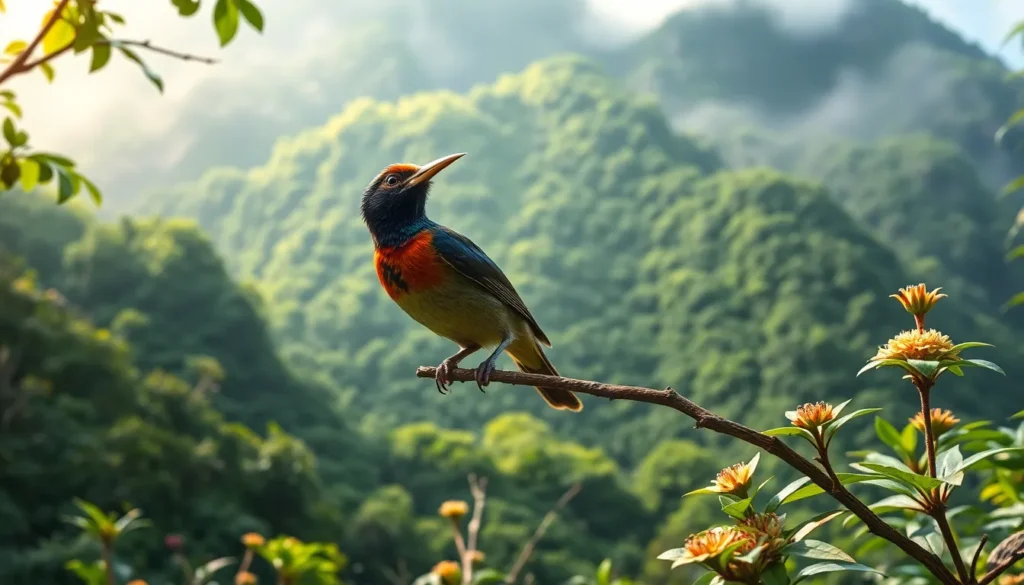
When someone says ‘saving sharpbeak,’ you might picture a bird sporting a peculiar beak doing its best imitation of a superhero. While it may not wear a cape, Sharpbeak is definitely a species worth saving. This remarkable bird isn’t just a pretty face: it plays a critical role in its ecosystem. But like a villain in a bad movie, threats loom large. In this text, we’ll explore why protecting Sharpbeak is essential, the challenges it faces, and how you can be a part of its heroic rescue.
Understanding the Sharpbeak Species
Habitat and Distribution
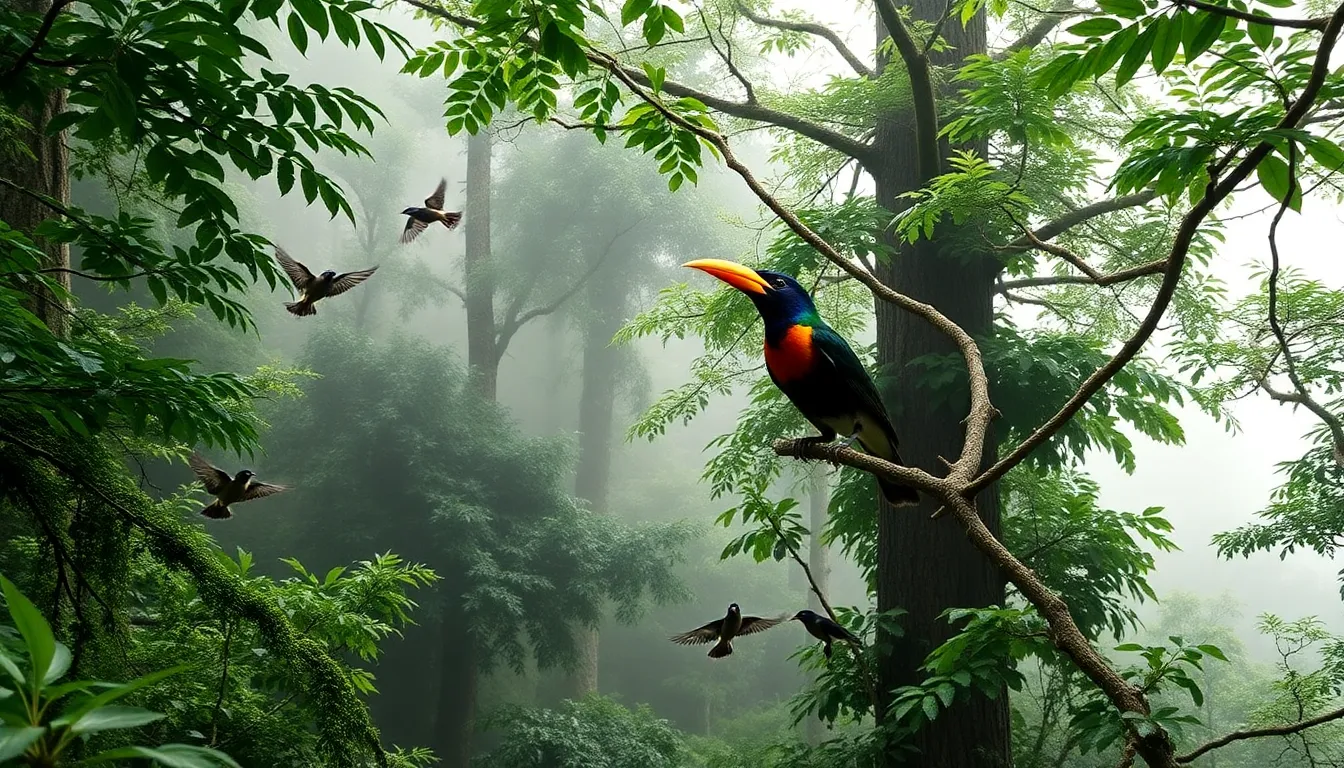
Sharpbeaks are primarily found in cloud forests nestled in lofty mountainous regions. These unique habitats are like the exclusive clubs of the avian world, where not just any bird can enter. The dense, mist-laden forests provide both shelter and food, allowing the Sharpbeak to thrive. Unfortunately, this club is decreasing in membership due to various human activities.
Behavior and Characteristics
This bird boasts a distinctive, sharp beak – hence the name. This feature is not just for show: it’s crucial for foraging in their specific habitat. Sharpbeaks feed on insects and nectar, showcasing remarkable adaptability. They’re known for their social behavior, often fluttering about in small groups, which is a departure from the solitary habits of many birds. Their vibrant plumage adds a splash of color to the green canopy, making them a delight to observe in their natural surroundings.
Threats Facing Sharpbeak
Habitat Loss
One of the biggest threats to Sharpbeak is habitat loss. As forests fall to logging, agriculture, and urban development, numerous bird species, including Sharpbeak, find themselves pushed out. The shrinking of their habitat creates a domino effect that disrupts not only their survival but also the whole ecosystem.
Climate Change Impacts
But wait, there’s more. Climate change adds another layer of complexity to the woes of Sharpbeak. Rising temperatures can alter food availability and disrupt migratory patterns. The delicate balance of their mountainous habitat is being thrown into chaos, making it harder for these birds to find what they need to survive.
Cultural Significance and Myths
Sharpbeak is also wrapped in cultural significance, with various indigenous groups attributing unique myths and stories to this incredible bird. Losing Sharpbeak would not only signify a decline in biodiversity: it would also mean losing a part of the cultural fabric in communities that cherish these creatures.
Conservation Efforts
Current Initiatives and Organizations
Fortunately, not all hope is lost. Numerous organizations are dedicated to conserving Sharpbeak and its habitat. Initiatives such as habitat restoration and feeding programs aim to bolster the dwindling population of this species. Allies from around the globe come together, rallying to fund research and develop protocols to protect Sharpbeaks from extinction.
Community Involvement in Conservation
Community involvement plays a crucial role in conservation efforts. Local individuals are often trained to become guardians of these birds, participating in workshops and educational programs that empower them to protect their own environment. This grassroots approach creates a sense of ownership and responsibility towards wildlife that eventually benefits everyone.
How You Can Help Save Sharpbeak
Supporting Wildlife Organizations
You don’t need to don a superhero cape to make a difference. By supporting wildlife organizations dedicated to conservation, you can help fund initiatives that protect Sharpbeak and its habitat. Donations, sponsorships, or simply spreading awareness can amplify your impact.
Adopting Sustainable Practices
You can also adopt sustainable practices in your daily life. Whether it’s reducing plastic use or supporting ethical farming practices, every small effort counts. By making informed choices, you’ll contribute to healthier ecosystems, which in turn supports species like Sharpbeak. Imagine sipping your morning coffee while knowing you’re contributing to saving an entire species, how cool is that?


