

Imagine a world where gaming and anime collide, creating epic stories that keep you on the edge of your seat. Enter gaming anime, a genre that fuses interactive gaming experiences with the vibrant storytelling and rich visuals of anime. While this may sound like a niche market, it’s a booming trend that captivates audiences around the globe. Buckle up as we jump into the exhilarating world of gaming anime, revealing what it is, how it evolved, and why it’s become such a beloved genre.
What Is Gaming Anime?
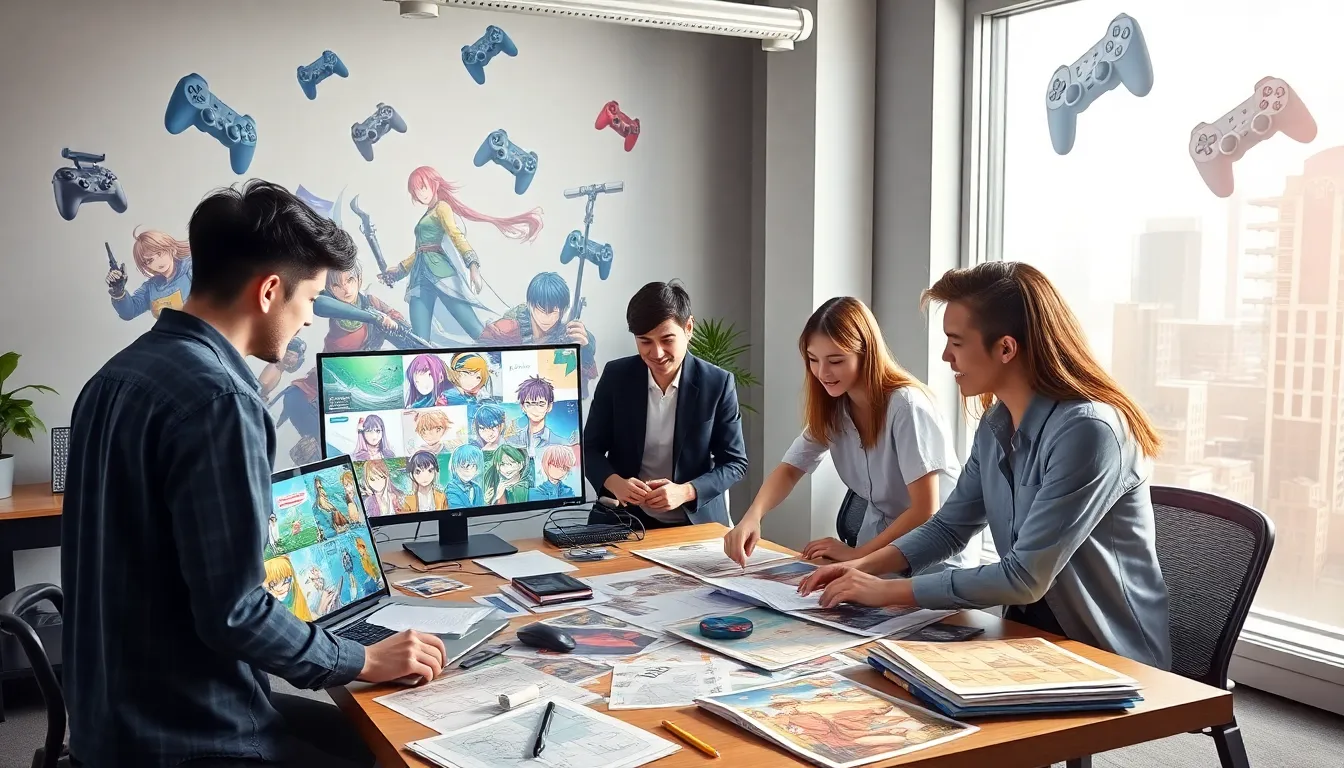
Gaming anime refers to animated series or films that center around video game themes, characters, or narratives. Often, these shows explore the worlds created in popular games, blending the energy of gaming with the creativity of anime storytelling.
In essence, gaming anime can be thought of as a bridge between two overlapping realms: the fast-paced, competitive world of gaming and the artistic, emotional world of Japanese animation. Both mediums thrive on imagination, whether it’s by unleashing intricate plots, developing compelling characters, or showcasing stunning visuals.
The genre has gained traction for its unique ability to immerse viewers in exciting narratives. Just take a look at some titles that effortlessly weave complexity into their storytelling while providing recognizable elements from their gaming roots.
The Evolution of Gaming Anime
The roots of gaming anime can be traced back to the early 1990s. Initially, the genre gained attention with anime adaptations of popular video games like “Street Fighter” and “Legend of Zelda.” These early adaptations often faced criticism for being overly simplistic and lacking depth. Fortunately, as both gaming and anime evolved, so too did the expectations for these adaptations.
By the mid-2000s, advancements in animation technology allowed for more intricate designs and narratives, paving the way for more ambitious projects. Shows like “Sword Art Online” epitomized this evolution, captivating audiences with well-developed characters and engaging plots. Themes surrounding virtual reality and online gaming emerged as consistent themes, mirroring a growing interest in the gaming community.
Today, series like “Re:Zero” and “No Game No Life” reflect how far the genre has come, embracing complex storytelling, emotional depth, and rich world-building.
Popular Gaming Anime Series
Several standout series have shaped the landscape of gaming anime, capturing the hearts of viewers worldwide. Notable examples include:
- Sword Art Online: This groundbreaking series follows players trapped in a virtual reality MMORPG. It explores love, loss, and the implications of living in a virtual environment.
- No Game No Life: Centered on two siblings who are transported to a world where everything is determined by games, this anime adds layers of strategy and adventure.
- Konosuba: God’s Blessing on This Wonderful World.: This comedic take on the isekai genre takes viewers on a hilarious journey filled with gaming-inspired quests and lovable characters.
Each of these series not only showcases captivating stories but also immerses viewers in gaming culture, offering a rich experience that resonates with fans of both mediums.
Themes and Tropes in Gaming Anime
Gaming anime often features recurring themes and tropes that resonate with audiences. Some of the most prevalent include:
- Virtual Reality: Many gaming anime explore the implications of virtual worlds, posing philosophical questions about reality and identity.
- Competition and Rivalry: Competitive elements, reminiscent of real-world gaming experiences, play significant roles, creating tension and character development.
- Friendship and Teamwork: Just like in many video games, themes of camaraderie and synergy among characters add depth to the narratives.
These themes not only enhance storytelling but also provide a level of relatability for viewers who understand the dynamics present in gaming culture.
The Impact of Gaming Culture on Anime
Gaming culture has left an indelible mark on anime, fostering a sense of community and shared experiences among viewers and gamers alike. The interactive nature of gaming reflects in anime narratives that advocate for teamwork, strategy, and conflict resolution.
Recent trends show that anime often includes references to popular games, creating a crossover appeal that draws in diverse audiences. Besides, collaborations between anime studios and game developers have become common, resulting in high-quality adaptations that honor their source material.
Also, gaming conventions often showcase anime characters, underscoring the interconnectivity of these fan bases. This blending of cultures solidifies the idea of gaming anime as a cultural phenomenon that transcends traditional entertainment boundaries.
Future Trends in Gaming Anime
As the digital landscape continues to shift, the future of gaming anime looks promising. Emerging technologies, such as augmented reality and VR, could enhance the viewer experience, bringing stories to life in innovative ways. Expect to see an increase in adaptations from popular indie games as well, expanding the genre’s diversity.
Also, as the gaming industry continues to grow, so too will gaming anime’s audience. Stories that tackle complex issues related to technology and society are likely to become more prominent, reflecting ongoing conversations within gaming communities.
In short, the future of gaming anime will thrive on creativity and adaptation, pushing boundaries while maintaining its core appeal.


